TPU phone cases — the yellowing question, answered properly
TPU is the easiest material to work with and the hardest to make a credible claim about. Almost every problem buyers hit with TPU comes down to one question, so we answer it first.
Why TPU yellows, and what actually prevents it
Clear TPU yellows because of chemical degradation in the polymer. Two things drive it: ultraviolet exposure, and oxidation. Both accelerate with heat — which is why a case in a hot car or on a sunny windowsill ages faster than one in a pocket.
What reduces it is a UV stabiliser package in the formulation, plus the right grade of base resin. This is a real trade-off, because good stabilisers cost money and not every supplier pays for them.
- Which stabiliser system?
- What test method was used to assess it?
- Can they show the report?
"Our material is good quality" is not an answer. And note the timescale most buyers miss: even a properly formulated clear TPU can show visible change after 12–18 months of strong daylight. Any promise that it will never yellow is not credible — if a supplier makes one, the question to ask is what they actually tested.
Matte or gloss — a genuine trade-off
This is not a quality question. Both finishes are achievable; they hide different things.
| Matte / frosted | Glossy / polished | |
|---|---|---|
| Scratches | Hidden well — diffuse surface scatters light | Visible immediately — reflective surface shows every mark |
| Fingerprints | Shows them, and cleaning leaves smudges | Hides them almost entirely |
| Perceived quality | Soft-touch, modern, matte is a design trend | Glossier, more "premium" in photographs |
| Best for | Everyday carry, buyers who drop their phone | Showcase photos, gift market, screen-protection focus |
Matte has a second effect buyers often notice: it feels noticeably softer. That is the selling point on the shelf, and it is also why matte finishes show wear differently over months.
Hardness matters more than most catalogues mention
TPU is specified by hardness, and the standard range spans quite different behaviours. Softer feels better and yellows marginally faster because more of the polymer is exposed. Harder holds its shape longer and takes a scuff before it deforms.
Softer is what most "soft-touch" marketing refers to; harder is where durability claims come from.
It is one of the cheapest ways to tell whether they have actually compared options, or are reselling whatever the line produced last.
Product examples
A representative sample from our TPU line. These are reference images, not a fixed catalogue — tell us the models and quantities you need and we will confirm what is available.
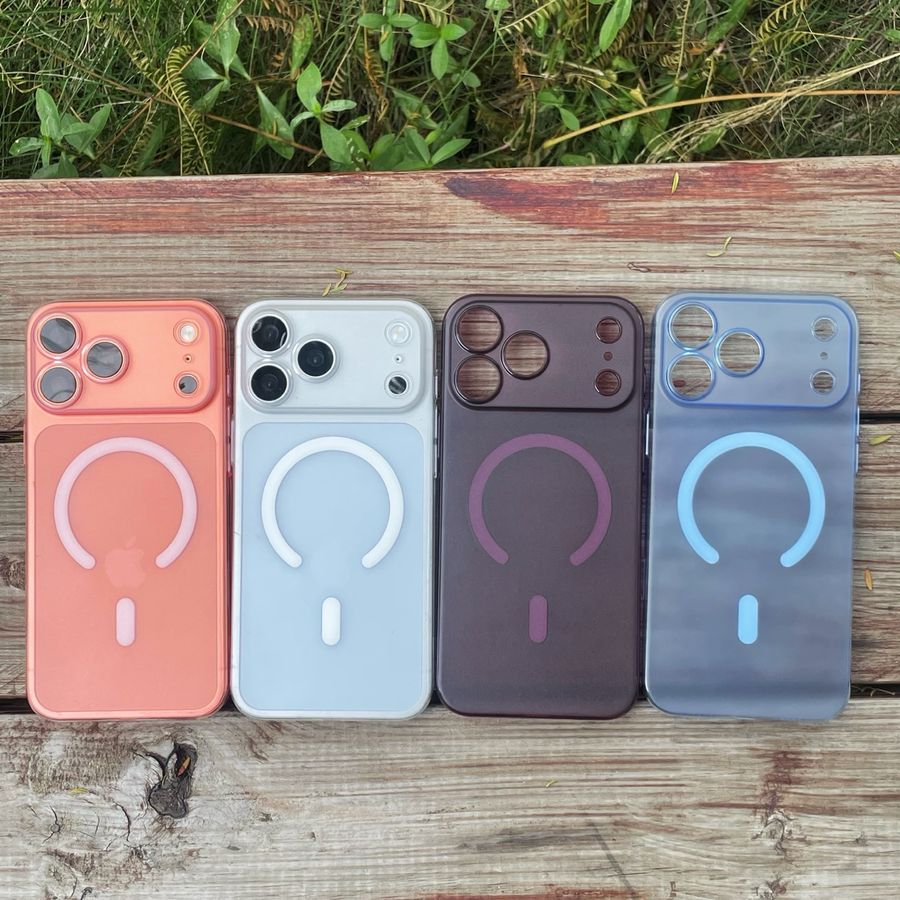
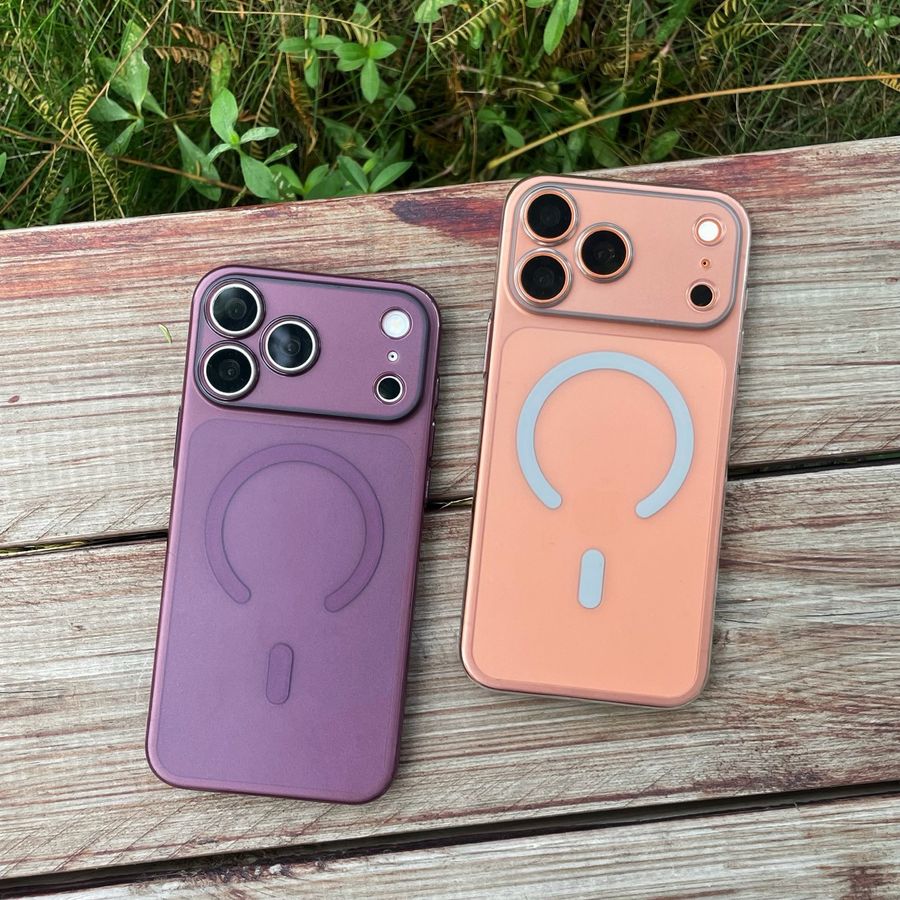
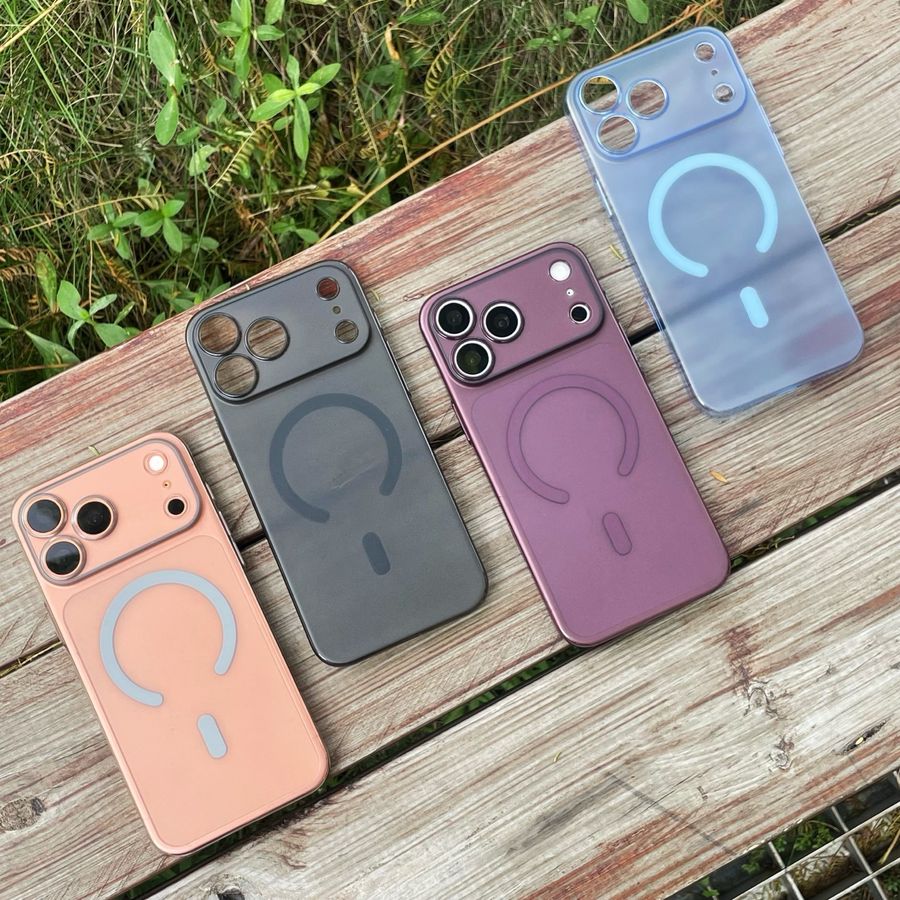
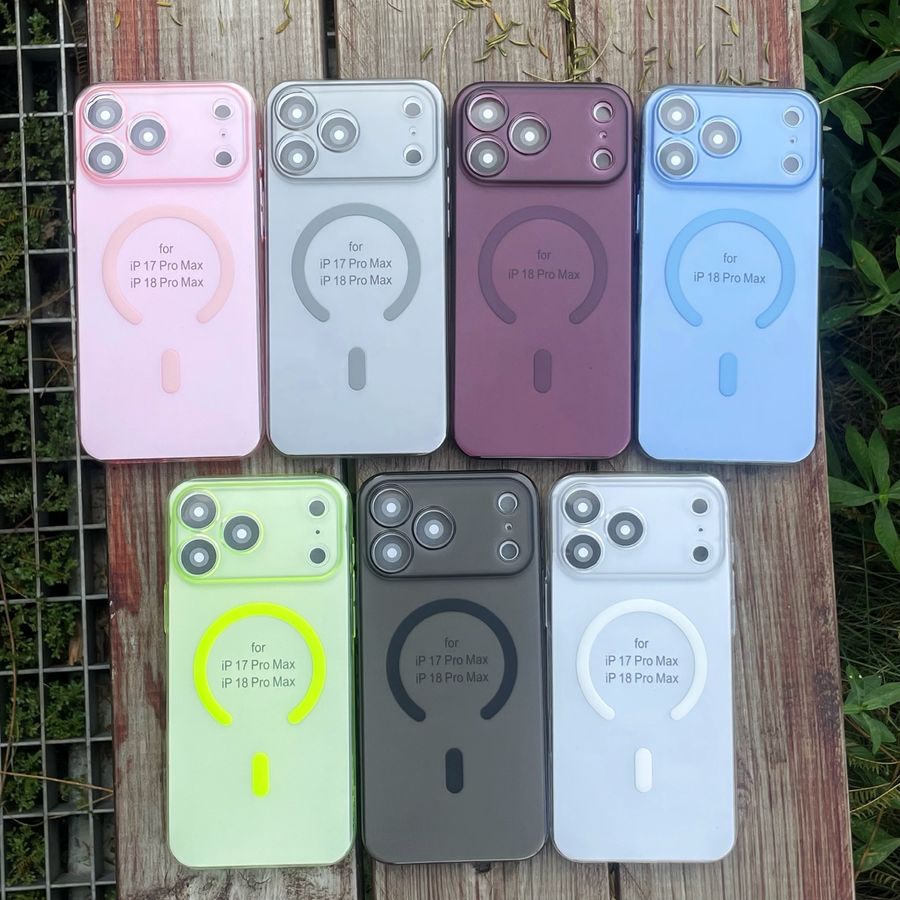
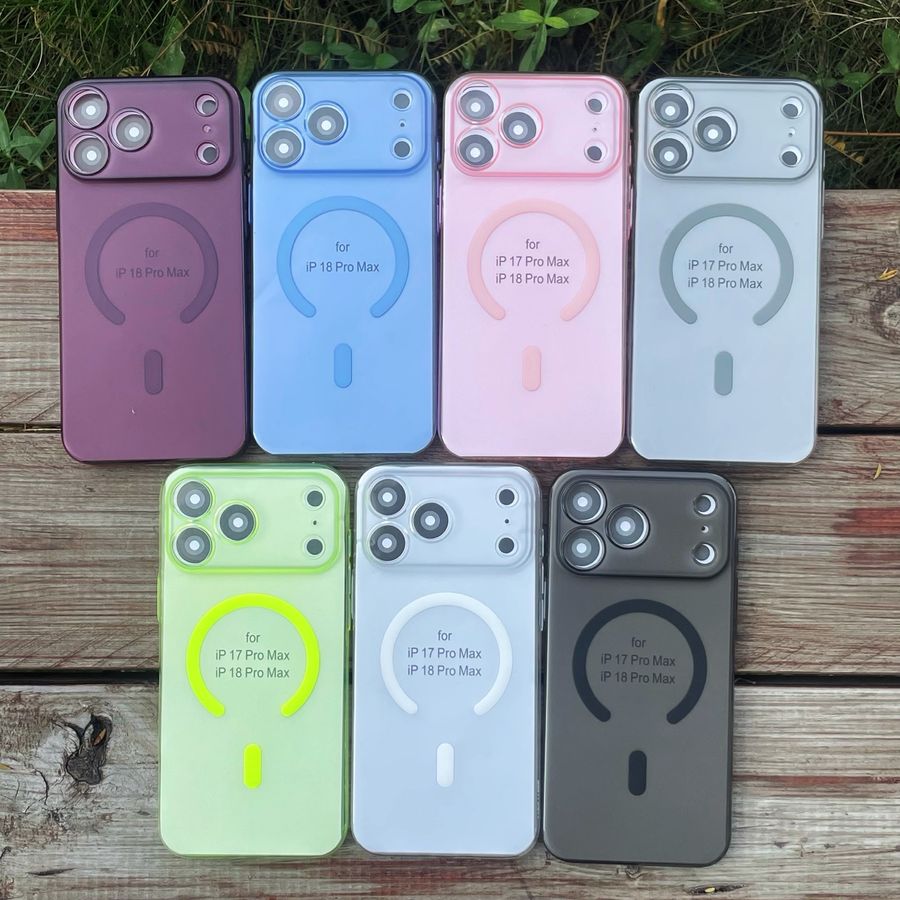
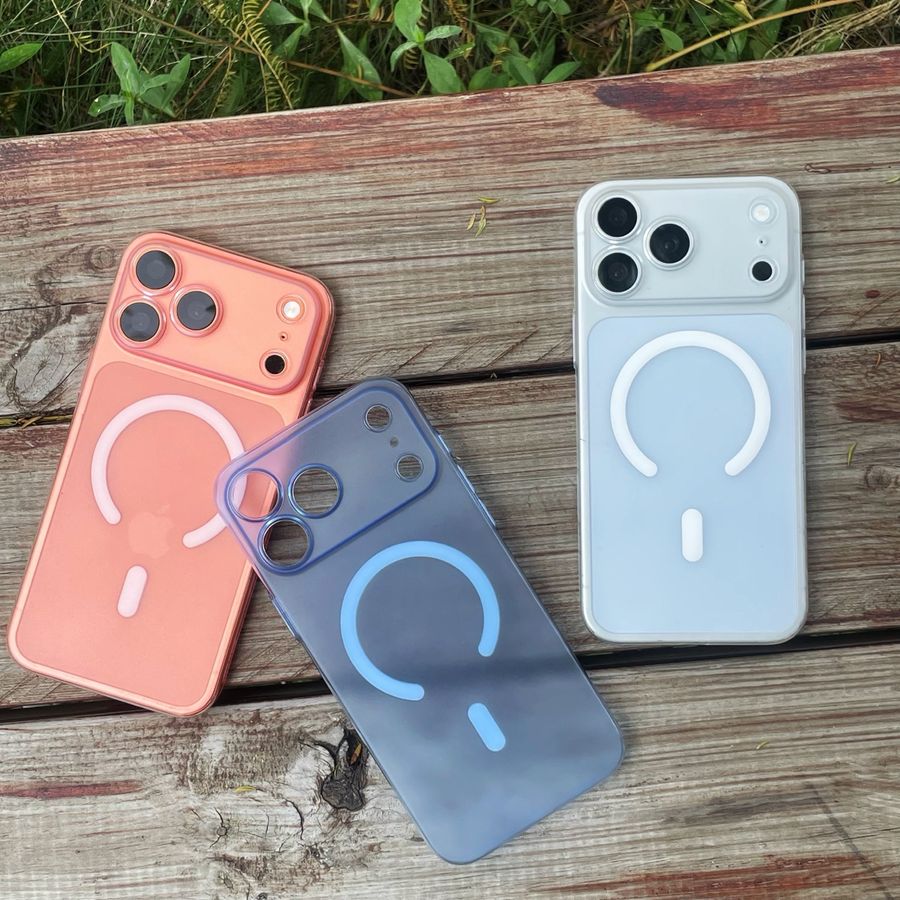
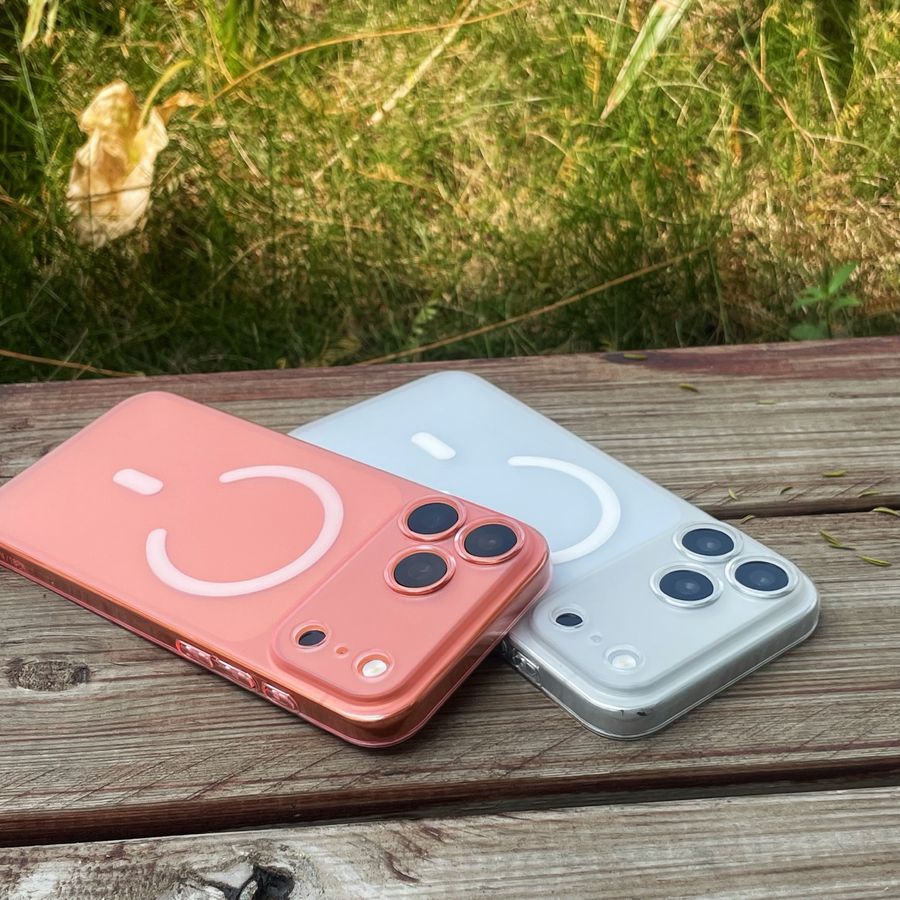
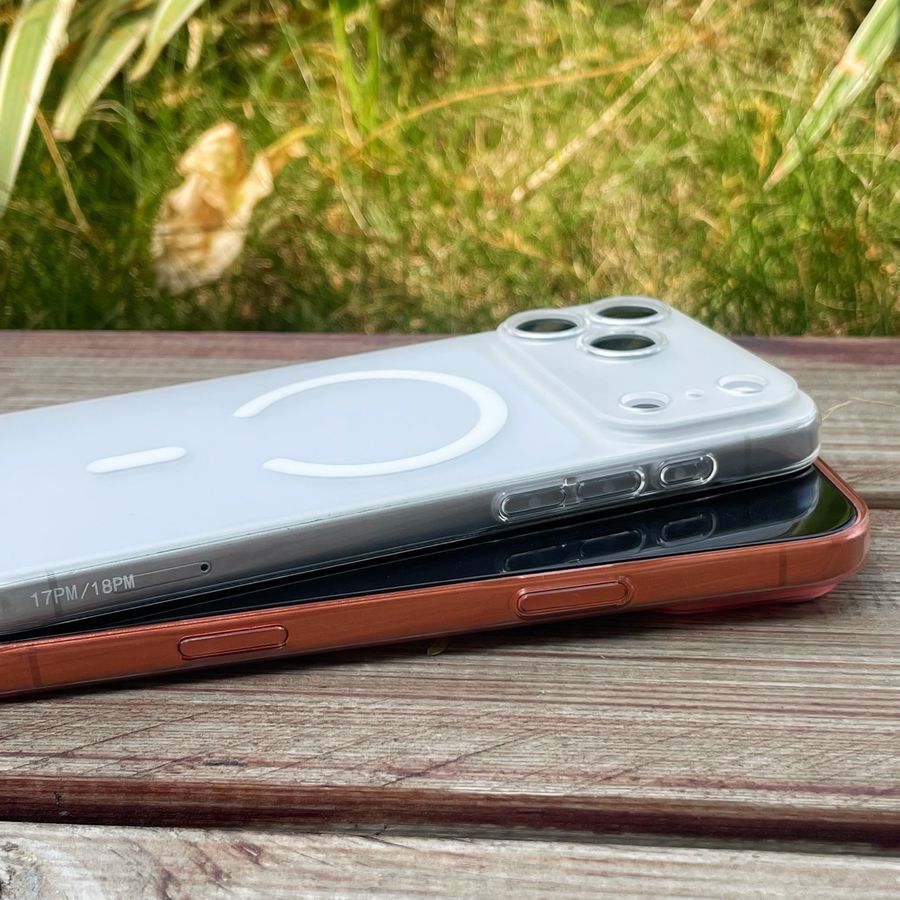
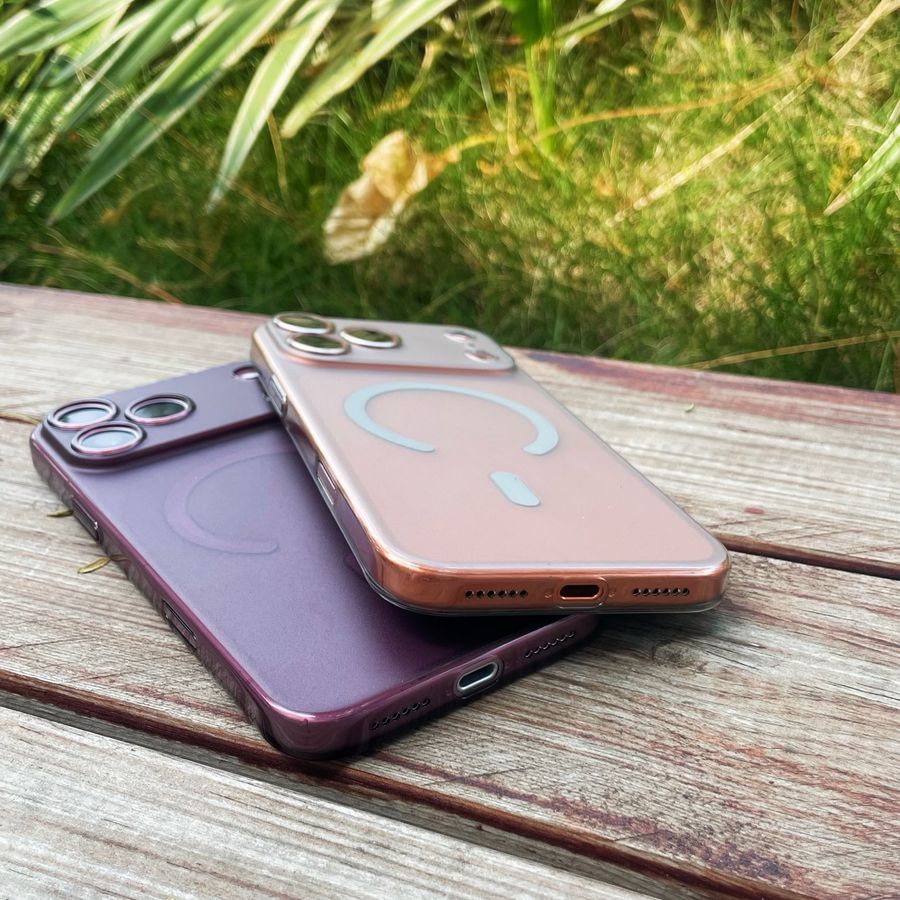
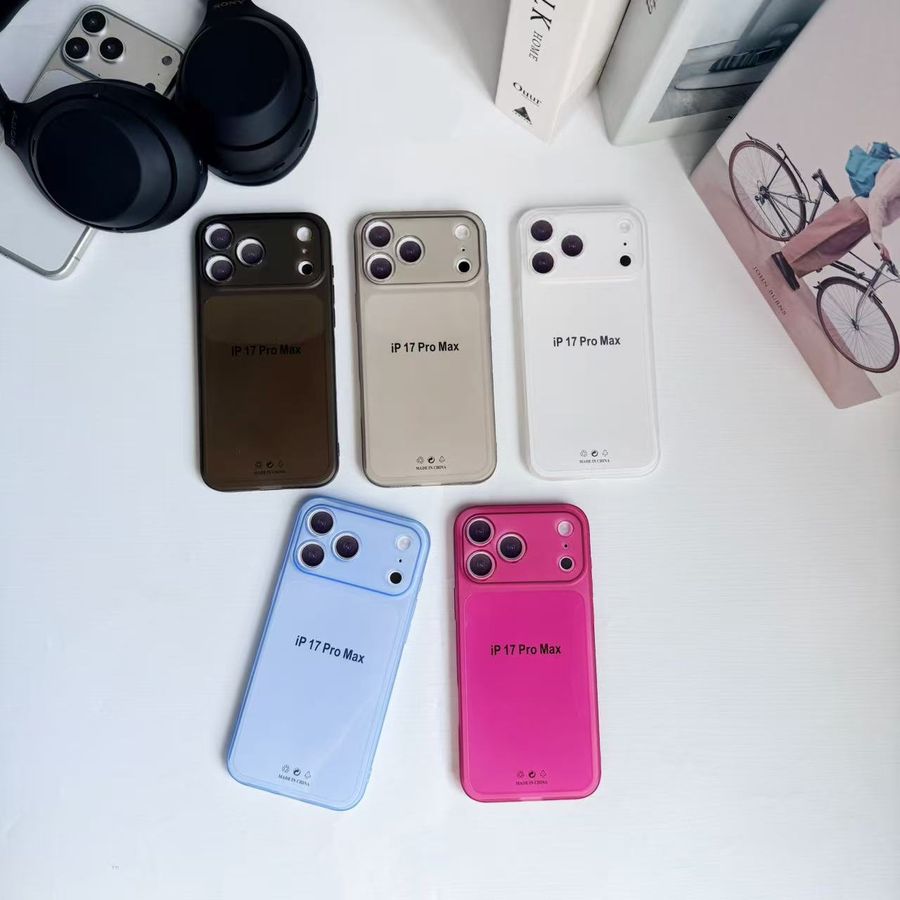
Images are illustrative of our material and construction. Colours, patterns and branding on your order are made to your specification — see light customisation. We hold a wider TPU programme than shown here; tell us your model list and we will send the matching set.
Production notes
Run by our TPU partner plants across Guangdong. TPU is the most forgiving material we work with — relatively tolerant of small dimensional variation, and the fastest line to re-run when a model needs correcting.
That is why it is usually the cheapest place for a new seller to start, and why mixed orders across several TPU models are the easiest for us to execute.
Customisation on TPU
Colour from the standard card, or Pantone-matched where the line allows. Logo by silk screen, UV print, laser engraving, or debossing. Patterns including gradients and IMD on selected models.
Deep debossing on soft TPU can distort the mould line at higher depths. If you want an embossed logo on a bumper case, we will tell you the maximum depth that holds the geometry rather than let you find out on a production run.
Full customisation options and limits →
Ordering
Mixed orders from 10 pieces per model across as many TPU models as you need, within a 1,000-piece total order. This is the category where mixed ordering makes most sense, because TPU runs are interchangeable and the coordination cost is lowest.
Questions
With a proper stabiliser package it will yellow far more slowly, not never. Ask what we tested and for how long. If you need genuinely long-term colour stability, tell us and we will say which formulations we can supply and what they cost — a different grade may be a better fit than the cheapest one.
Yes, they run on the same tooling. Finishes can be mixed across models or held within one.
Usually a surface treatment on a harder base. Ask which, because it affects how wear shows over time — a coated soft-touch wears differently from a through-coloured material.
Custom colours are quoted case by case. Below a few hundred pieces per model, a production run for one Pantone colour is rarely worth it. Tell us the model and quantity and we will say whether it makes sense.
Send us your TPU product list
Models, quantities and the finish you are targeting. You will get a per-model price, the plant and line that will run them, and a straight answer on the yellowing question rather than a promise.