A passive phone case cannot cool a phone that is already thermally throttling. We are stating this plainly because it is the single thing most listings in this category imply and most buyers are not told.
This page describes both sides of the category, because a customer who buys a cooling case and finds out otherwise does not come back.
What a passive case can actually do
Most cooling cases use one or more of four mechanisms, and they differ substantially:
| Mechanism | How it works | Realistic benefit | Cost to the product |
|---|---|---|---|
| Heat-spreading plate | Thin metal or graphite layer between phone and case, moving heat from a point across a wider area | Real but small — it reduces peak hotspot temperature rather than average temperature | Thickness, weight, and a visible internal layer |
| Graphite / thermal pad layer | Higher-conductivity layer in direct contact with the back panel | Moderate; more effective in combination with a spreading plate | Cost, and the edge of the layer can be visible |
| Mesh / vent structure | Open geometry or raised channels on the back to increase surface area | Mostly improves passive convection slightly; does not cool a phone under sustained heavy load | Thin, visually distinctive, sometimes compromises wireless charging on some designs |
| Liquid or vapour chamber | Sealed fluid loop absorbing heat | Genuinely effective — and genuinely a different product category | Substantial thickness, weight, cost, and a supply chain that is not a phone case line |
Where the limit actually is
Phones throttle under sustained load — a long gaming session, recording at high resolution, a call in a hot environment. A case can spread heat and slow the rate at which a hotspot forms. It cannot add capacity or move heat out of the phone faster than the phone generates it.
What cooling designs genuinely help with:
- Sustained-load comfort — the back is less hot to hold
- Reducing the severity of throttling in marginal conditions
- Slowly dissipating heat after a burst of load
If you sell this category, describing it that way produces far fewer returns than describing it as cooling. A buyer who understands what they are buying stops returning — that is worth more than the extra units from overstating it.
Designs worth stocking versus designs to think twice about
| Verdict | Designs |
|---|---|
| Worth stocking |
|
| Think twice |
|
Listing copy matters more in this category than usual
Because the underlying physics is modest, the words on the listing determine whether expectations are set correctly. Useful framing for your copy:
- Describe the mechanism — "graphite layer and vented back" — rather than the outcome, "cools your phone".
- State what it helps with: comfortable handling under sustained load, slower heat build-up.
- Do not imply it prevents throttling.
Buyers who understand what they are buying stop returning. That is worth more than the extra units from overstating it.
Product examples
A representative sample from our cooling line. Reference images rather than a fixed catalogue — tell us the models you are targeting and we will confirm which cooling structures fit them.
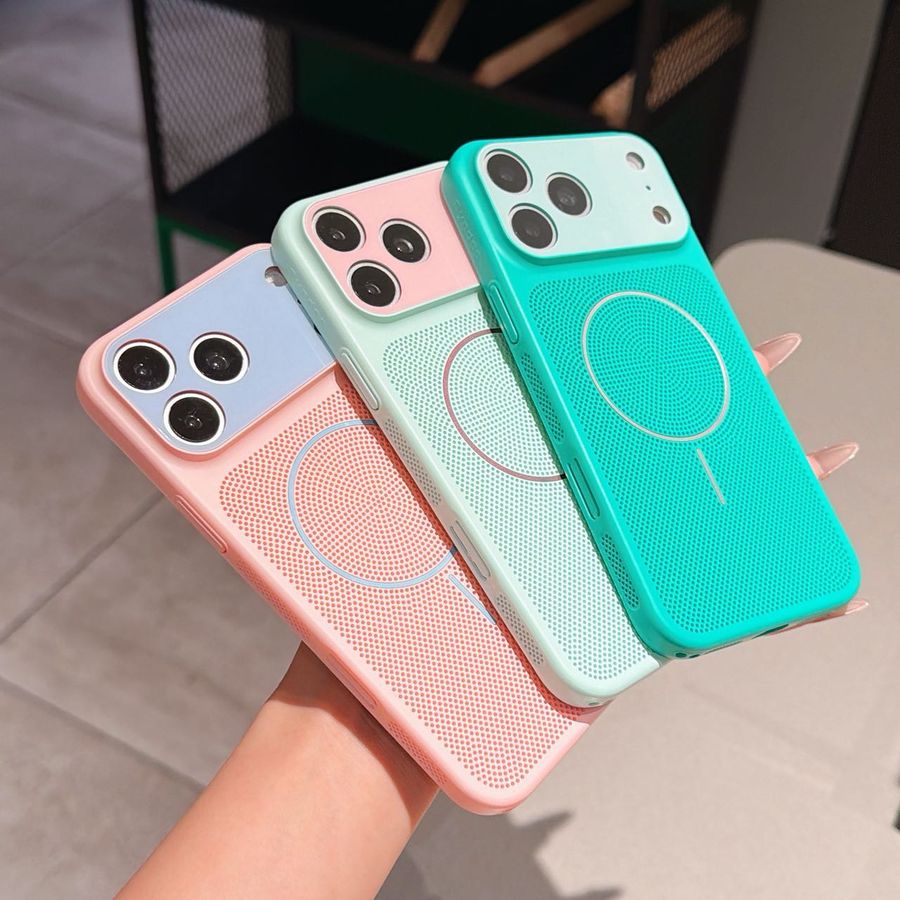
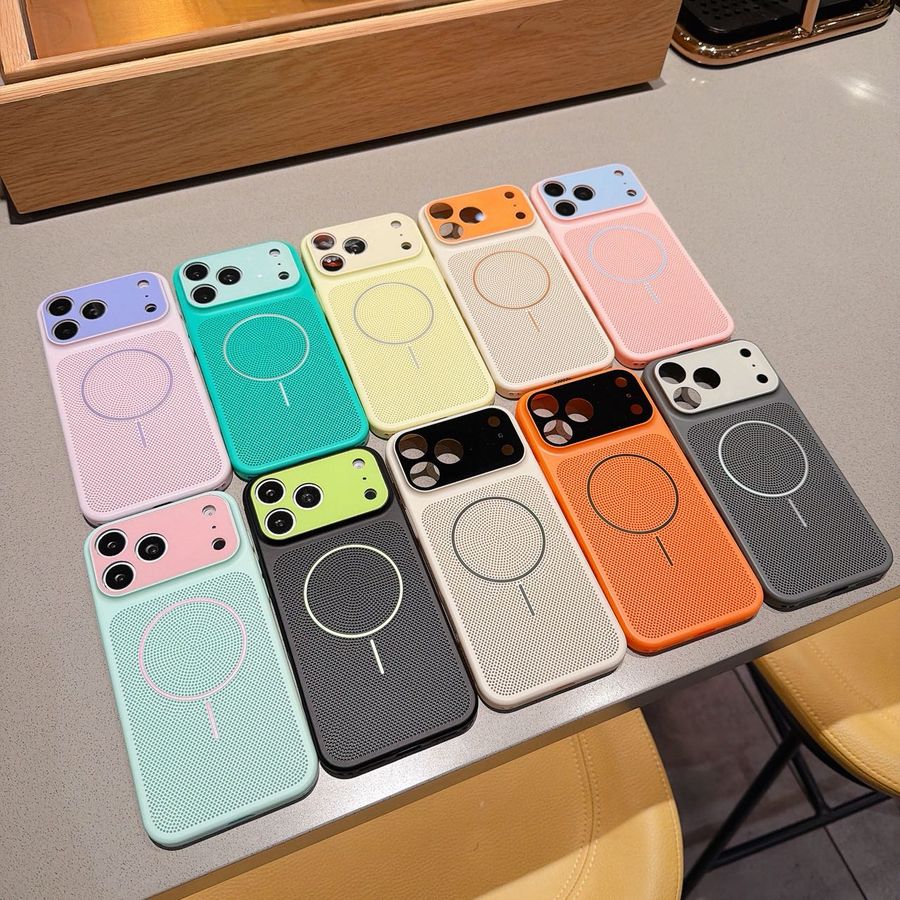
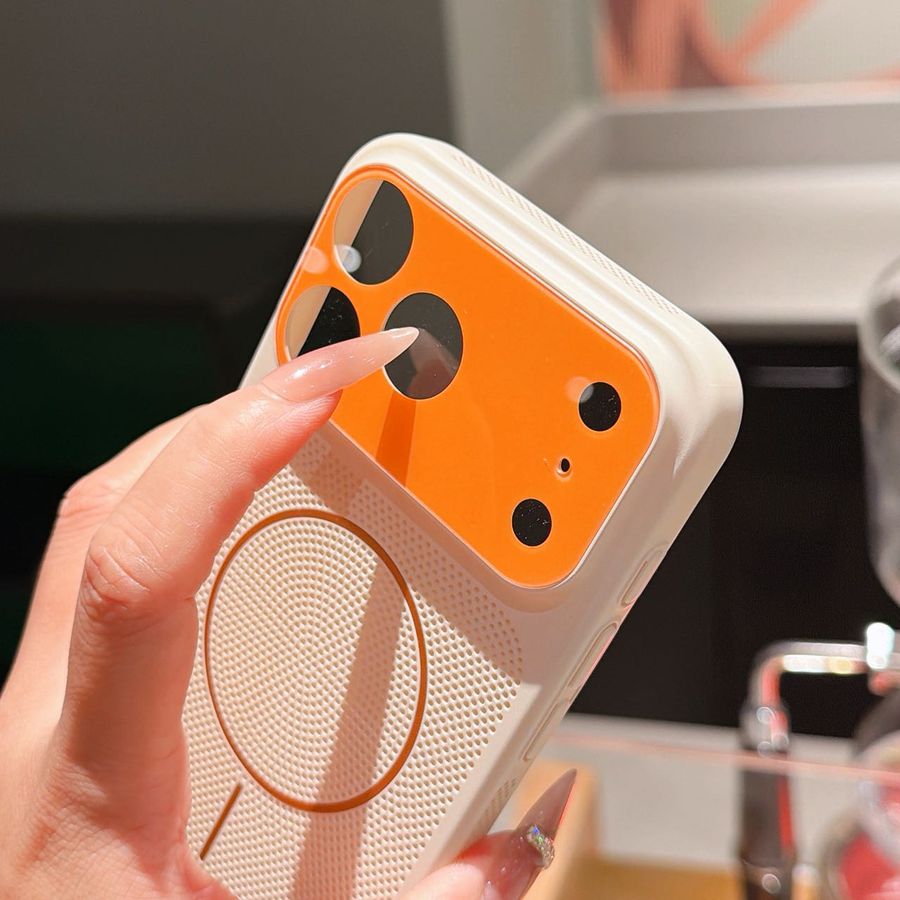
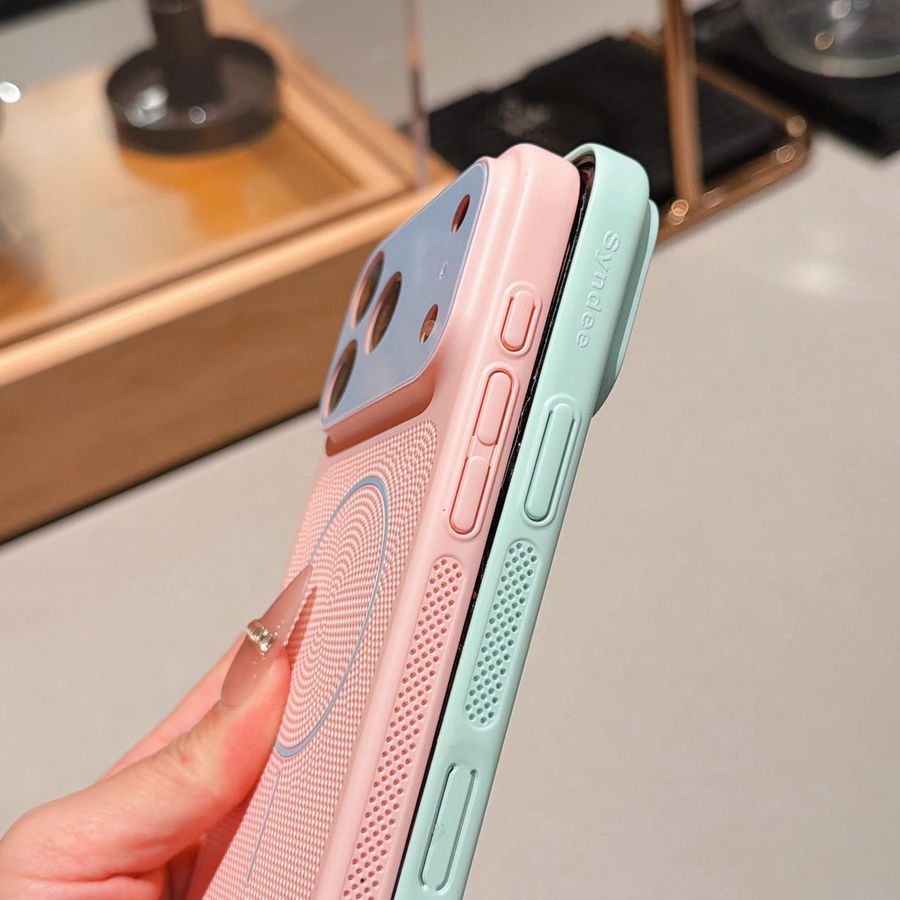
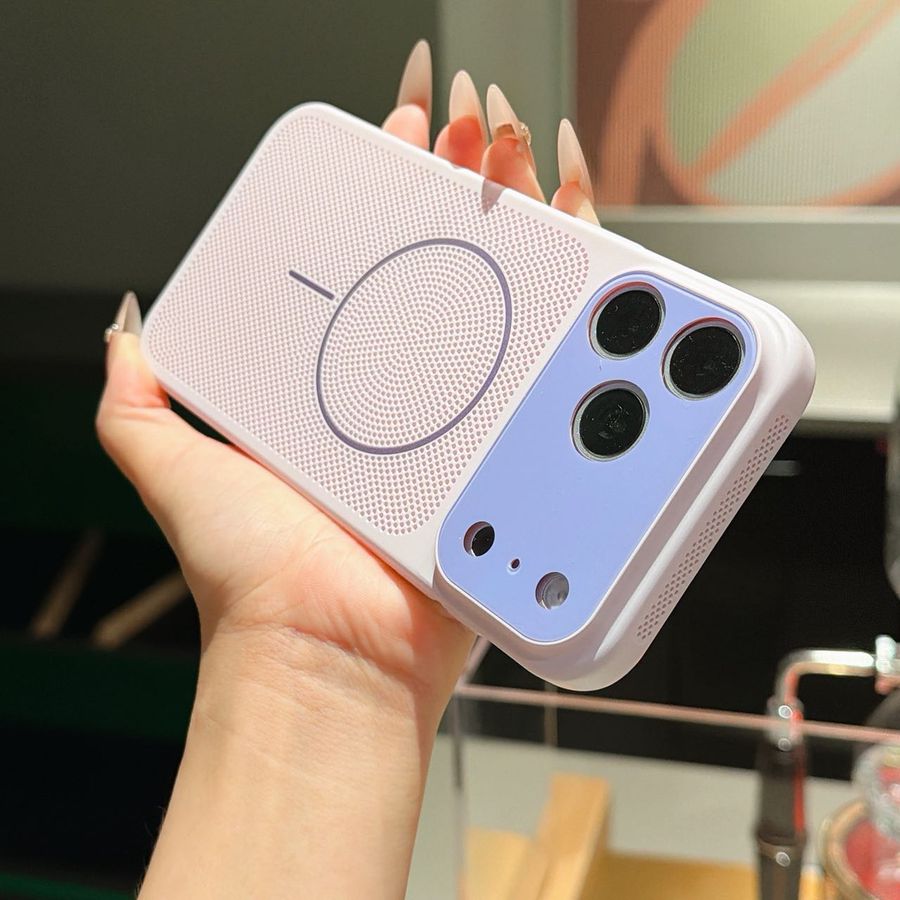
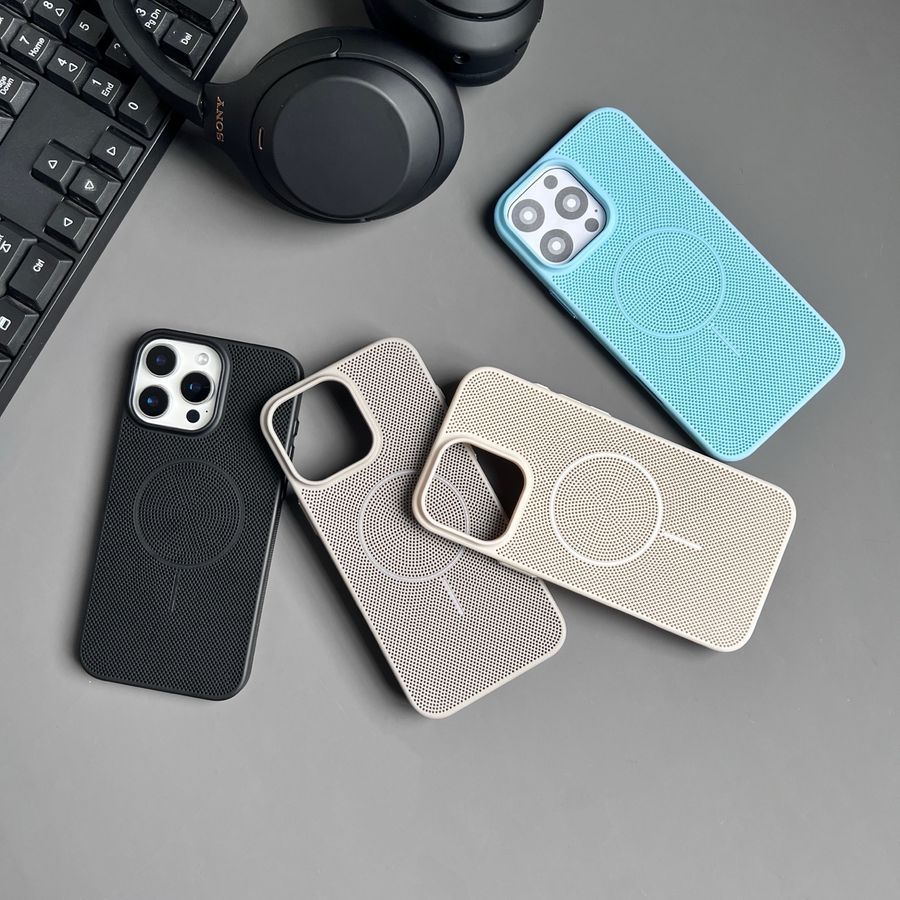
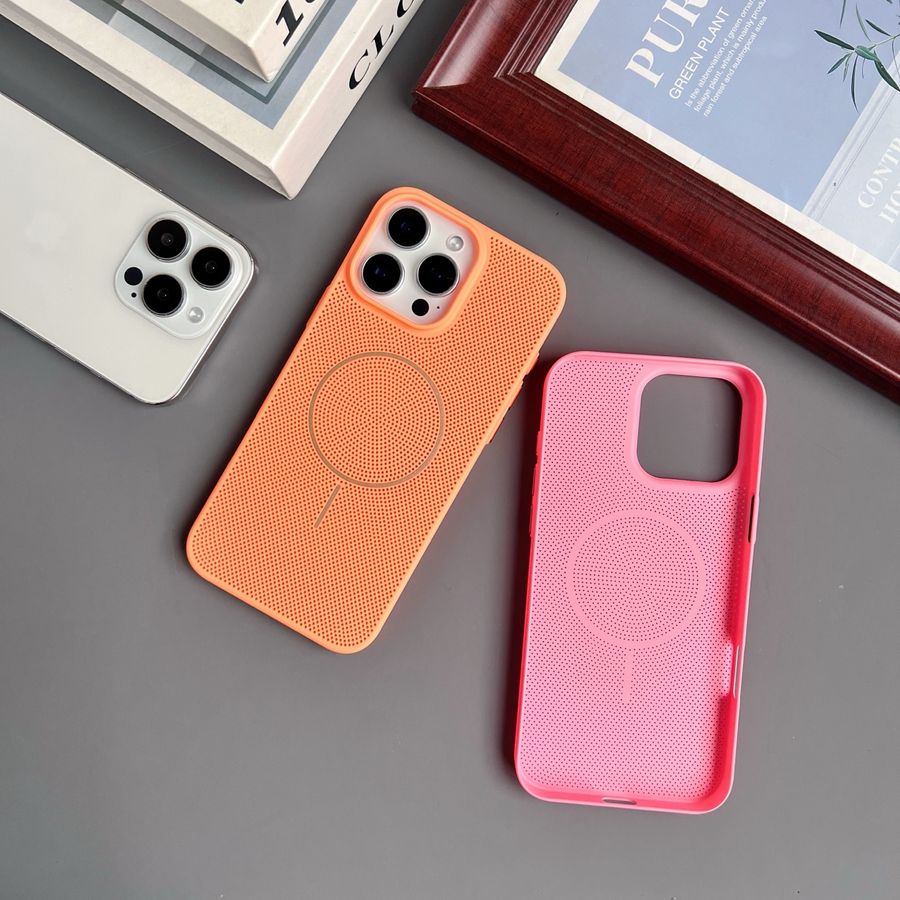

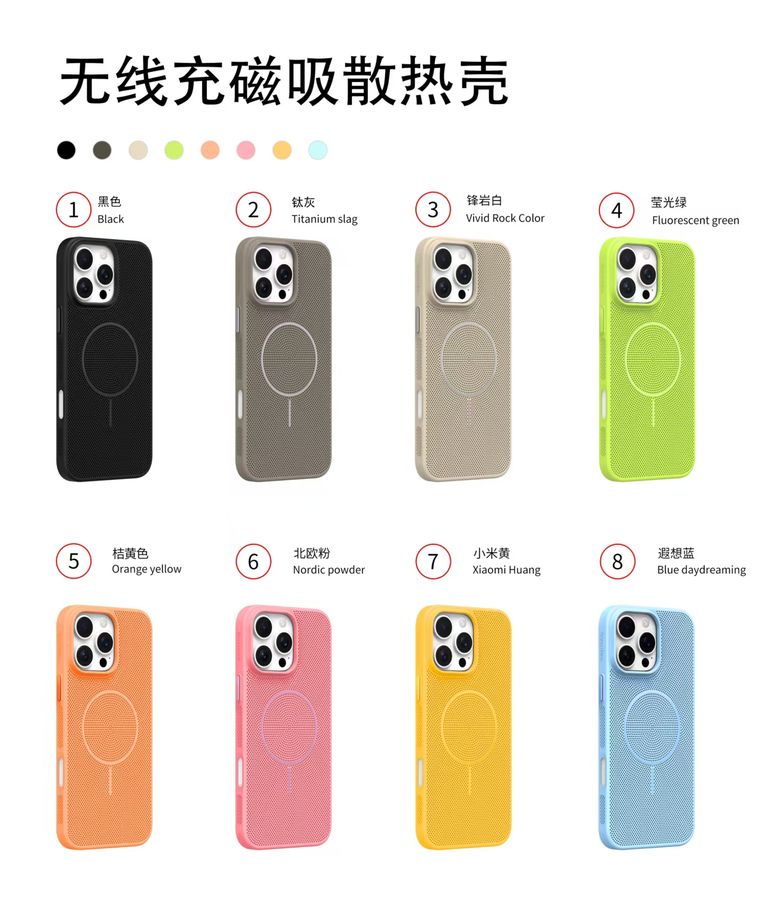
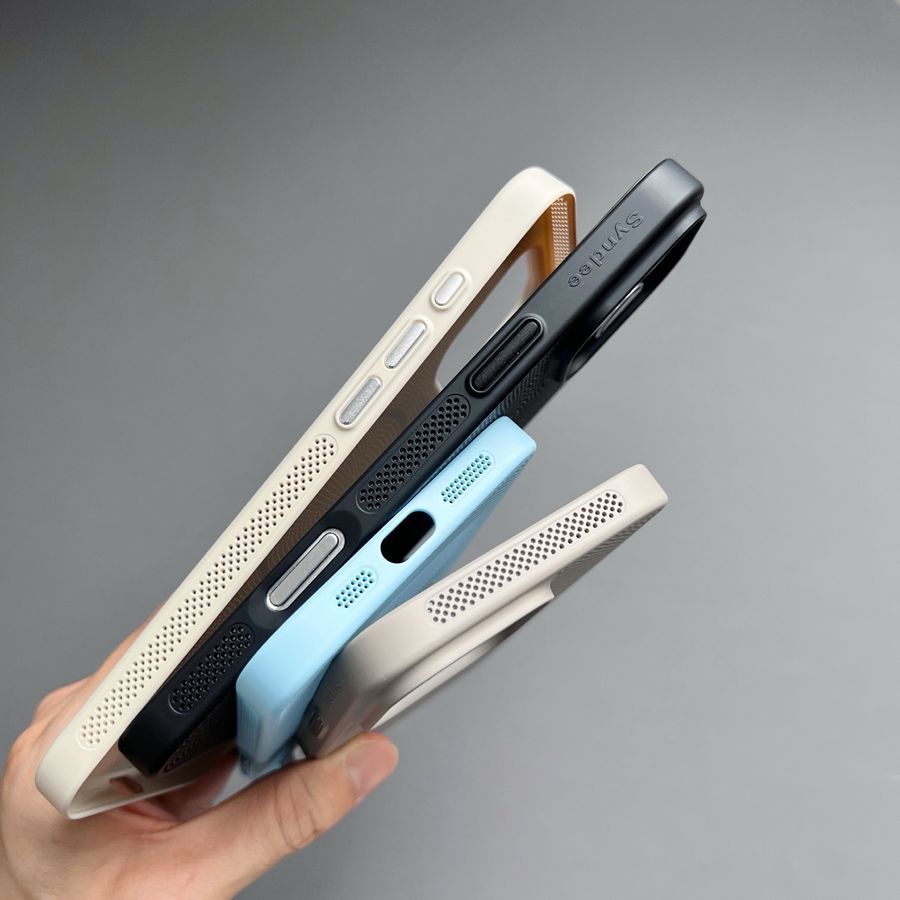
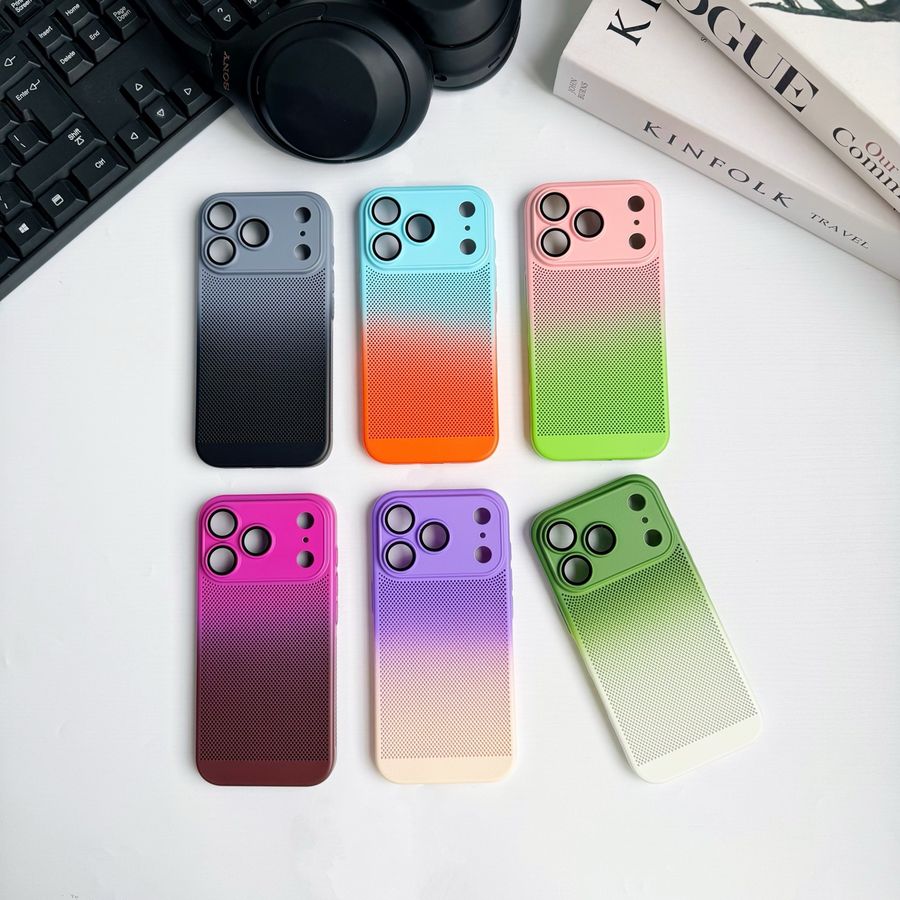
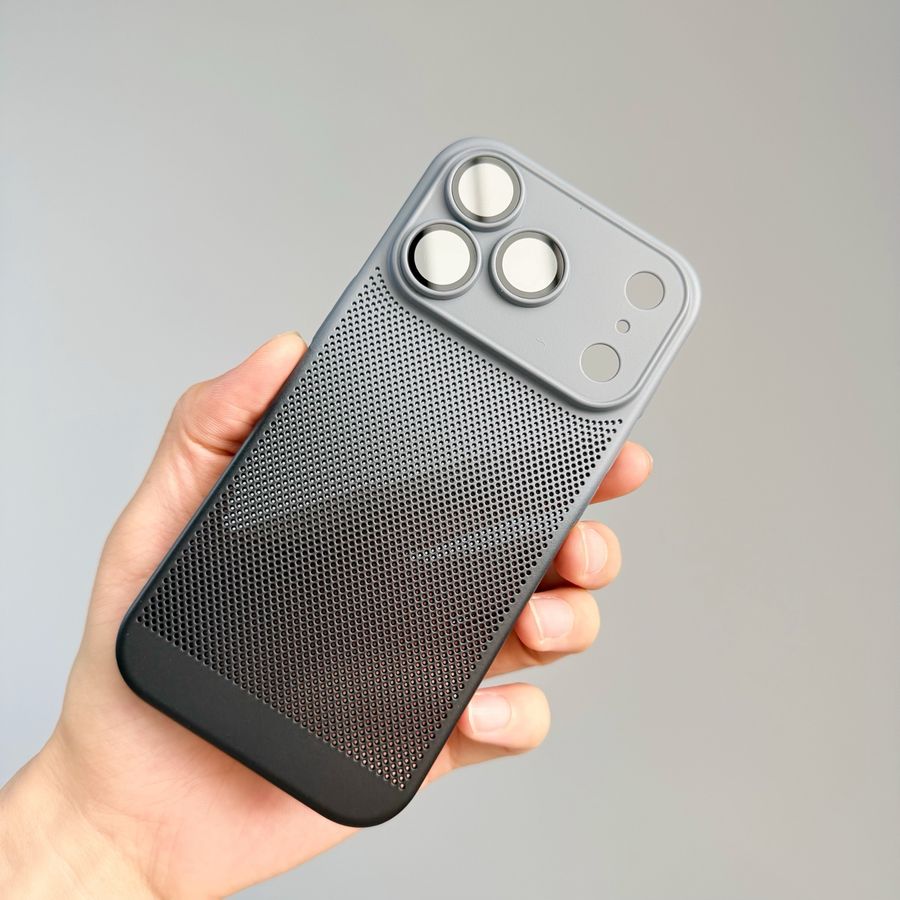
We hold a larger cooling programme than shown here. Tell us your target models and we will send the matching set, plus a note on which designs conflict with the charging coil.
Production notes
Produced at our magnetic and cooling partner plants across Guangdong, which run both the cooling structures and the magnetic assembly. That combination is why the vent-plus-ring design is possible here — the same plant can position the ring around the vent rather than through it.
Questions
No. A passive case cannot cool a phone that is already thermally throttling.
It can spread heat, reduce peak hotspot temperature and slow the rate at which heat builds up, which makes the phone more comfortable to hold and may reduce the severity of throttling in marginal conditions. It cannot add cooling capacity or remove heat faster than the phone generates it.
Mesh-backed designs with a thin profile, because they are genuinely useful and visually distinctive.
Graphite-layer cases with a visible internal plate are a defensible middle position. Cooling combined with a MagSafe ring positioned around the vent is where this category has a real product advantage.
Very thick designs are usually not worth stocking — the bulk is what buyers complain about in reviews.
It depends where the vent sits. Any design where the vent crosses the charging coil will interfere with charging unless the magnetic ring has been repositioned around it.
Tell us which models you are targeting and we will confirm which designs conflict with the coil and which do not.
From 10 pieces per model on stocked designs, within a 1,000-piece total order.
Cooling models run at lower volume than standard cases and mix best alongside a broader TPU or PC range rather than on their own.
Ask us which cooling designs are worth stocking
Tell us the models you are targeting and we will tell you which of our cooling structures fit them, which conflict with the charging coil, and which we would not put our own name on.